


Urban resilience and active mobility in Antananarivo
Feasibility study for a resilient urban programme integrating mobility, social inclusion and climate adaptation
N° 993
📍 Madagascar
🗓 02/2025 – 03/2026
€ 219.982
Client and Funder : French Agency for Development (AFD)
Services
Project Description
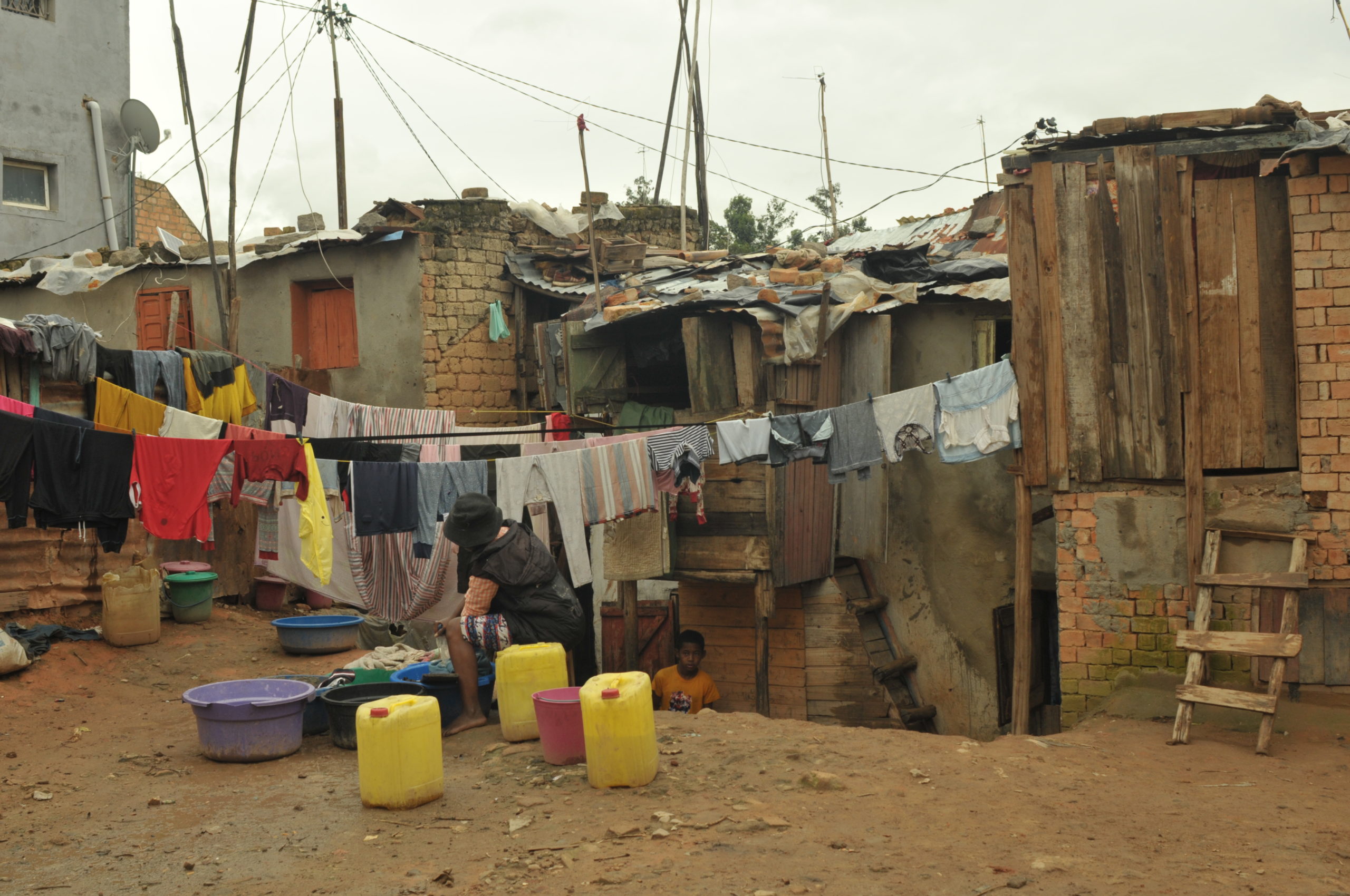
The Lalankely IV programme is the 4th phase of the programme to open up and clean up the priority districts of Greater Antananarivo (DAQP), known as Lalankely. This phase differs from previous phases in that it focuses more strategically on soft mobility and takes greater account of climate and social issues. Lalankely IV is intended to be a transitional programme, both in its approach (focusing on urban and social resilience) and in its method (highly participative and adapted to local constraints).
Provided services by Urbaconsulting
AFD, through the mobilization of its CICLIA study fund, has commissioned the implementation of an urban and institutional feasibility study to support the Ministry of Decentralization and Territorial Planning (MDAT) as well as the municipalities of Greater Antananarivo in designing an urban program aimed at combating the consequences of climate change. The services provided are based on:
- Conducting a vulnerability study as a decision-making tool for selecting the intervention area;
- Defining the intervention perimeter: selecting municipalities based on a cross-analysis of socio-economic and climate vulnerabilities; selecting 50 “project” zones of approximately 30 hectares each, allowing for concentrated investments and the pursuit of leverage effects for the most disadvantaged populations;
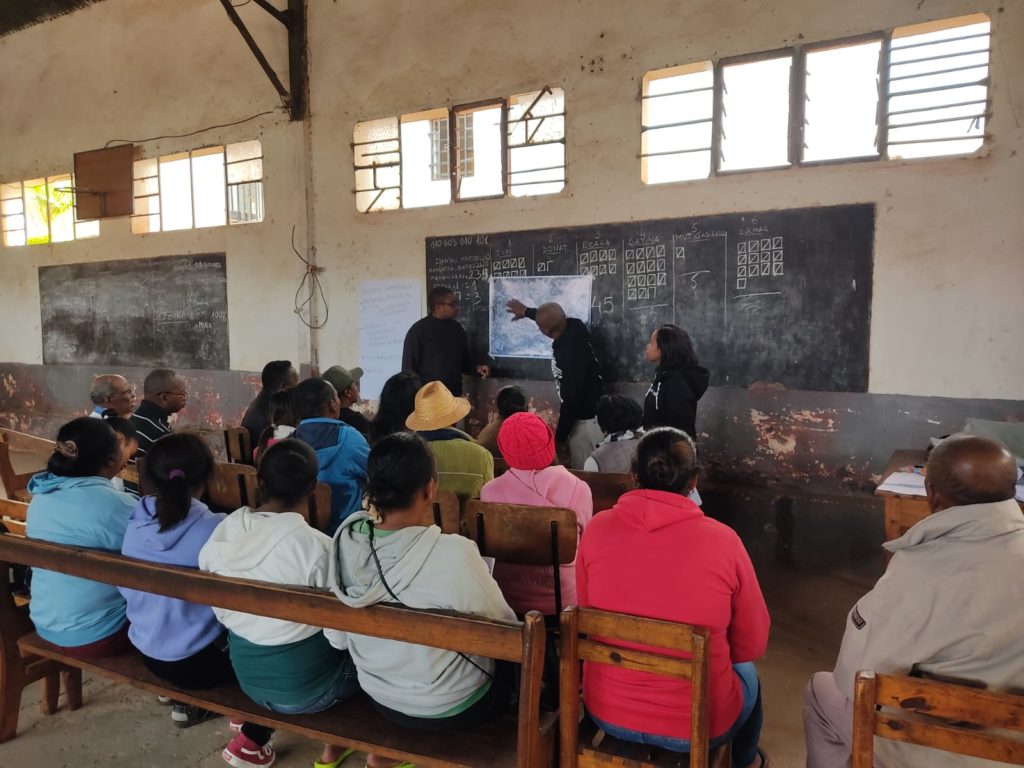
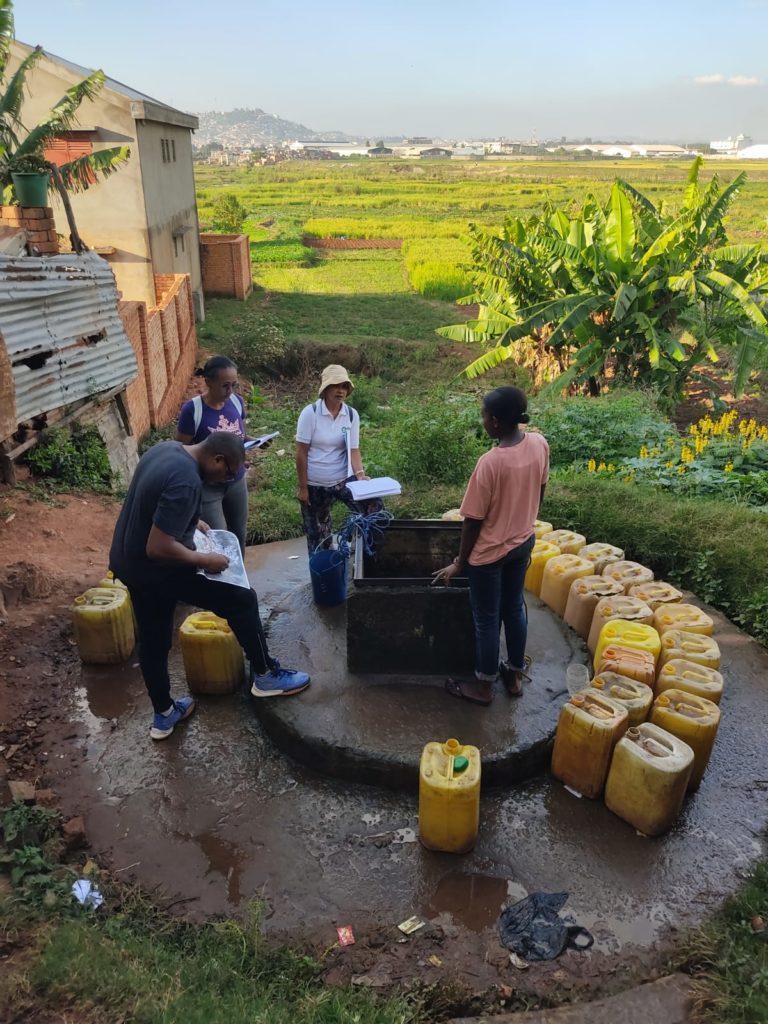
- Carrying out a participatory urban diagnosis: organizing workshops with municipalities and residents, and conducting exploratory walks to identify needs and accessibility issues within and around the “project zones”;
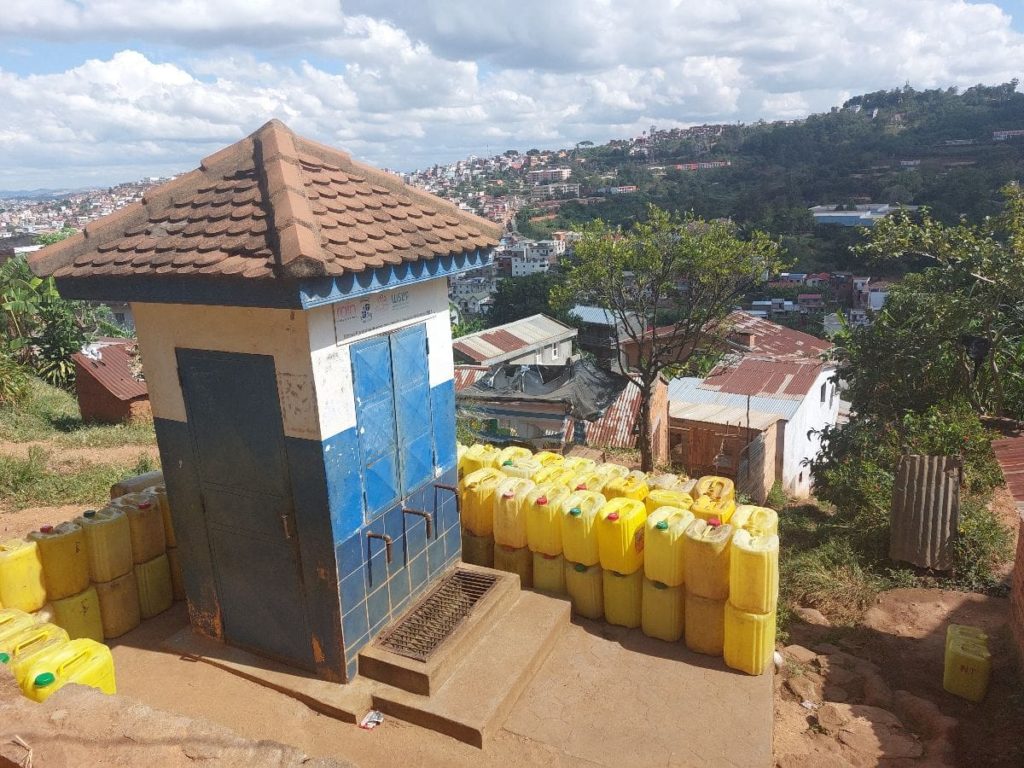
- Participatory identification of a list of investments: pedestrian paths, stairways, footbridges, driveable roads including associated drainage; specific structures such as pontoons, edge-to-edge road treatments, and public-use spaces;
- Seeking developments that promote the inclusion of people with reduced mobility, women, and youth, that support the implementation of Nature-Based Solutions (NBS), and that ensure pedestrian circulation even during heavy rains or flooding;
- Defining the institutional framework and operational approach of the program;
- Defining the results framework and program activities, including performance-based management and monitoring-evaluation;
- Updating the program’s environmental and social management tools (Environmental and Social Management Framework – ESMF, Resettlement Policy Framework – RPF, Stakeholder Engagement Framework – SEF, etc.) and those related to labor-intensive work (HIMO);
- Supporting the launch of the program: defining the sequencing of activities and proposing a coherent lotting of works, developing a procedures manual including procurement processes, and drafting the terms of reference for program service providers.
Would you like to stay informed about our latest news ?
Follow us on LinkedIn !



Comments are closed