


Urban resilience and the design of sustainable climate projects in Bangui and Berberati
Preliminary study and participatory process to identify nature-based urban solutions in vulnerable areas
N° 989
📍 Central African Republic
🗓 01/2025 – 09/2025
€ 111,700
Client and Funder : World Bank
Partner : BIED
Services
- Urban Development
- Floods and Drainage
- Preliminary Studies for Urban Projects
- Municipal management: Assets and Services
Project Description
In response to the challenges posed by climate change and the increasing frequency of extreme weather events, the Government of the Central African Republic, with support from the World Bank, is developing an urban resilience strategy for Central African cities.
The objective of the Urban Resilience and Inclusive Cities Project (PROVIR) is to improve access to basic infrastructure and services that are more resilient to extreme events, while strengthening the institutional capacities of implementing agencies as a lever for sustainable development. The project focuses on investments that integrate natural hazard mitigation with the enhancement of urban living conditions and public spaces. This includes identifying opportunities for the development of shaded public areas, urban agriculture zones, green corridors, and similar nature-based interventions.
Provided services by Urbaconsulting
This work builds upon the prefeasibility study previously conducted in the cities of Bangui and Berberati. While the methodological approach has been adapted to the specific context and program maturity level in these two cities, it remains grounded in a strengthened participatory framework. The study is structured around the following components:
- Facilitation of working sessions with local authorities in each city to identify areas that best align with the project’s objectives (4 to 5 zones of approximately 60 hectares each per city), focusing on areas with significant post-conflict urban and social reconstruction needs and high exposure to climate risks;
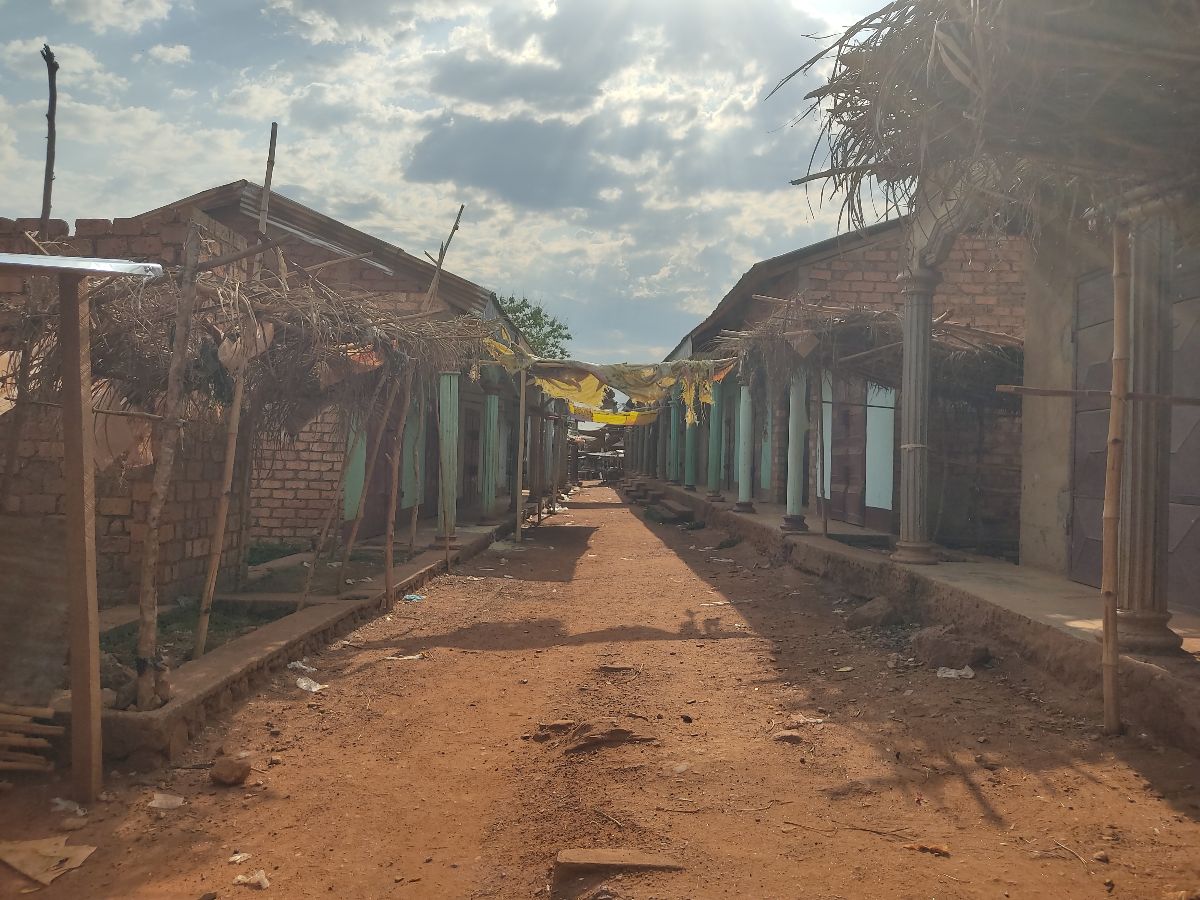
- Organization of participatory workshops with local authorities, exploratory walks, and community-based workshops in each zone to identify key challenges related to access to essential services and intra- and inter-neighborhood mobility;
- Preparation of urban diagnostics for each intervention zone, including a list of priority investments requested by both residents and authorities, complemented by a broader analysis of the area’s dynamics in terms of water flow, heat resilience, and other environmental factors;
- Technical prefeasibility assessment of potential Nature-Based Solutions (NBS) and cost-benefit evaluation of their implementation.
Would you like to stay informed about our latest news ?
Follow us on LinkedIn !




Comments are closed